Our Method
How we structure every entry, what we leave out on purpose, and why the official listing always has the final say.
The categories every entry is read through: arrival, rooms, dining, public space, surroundings
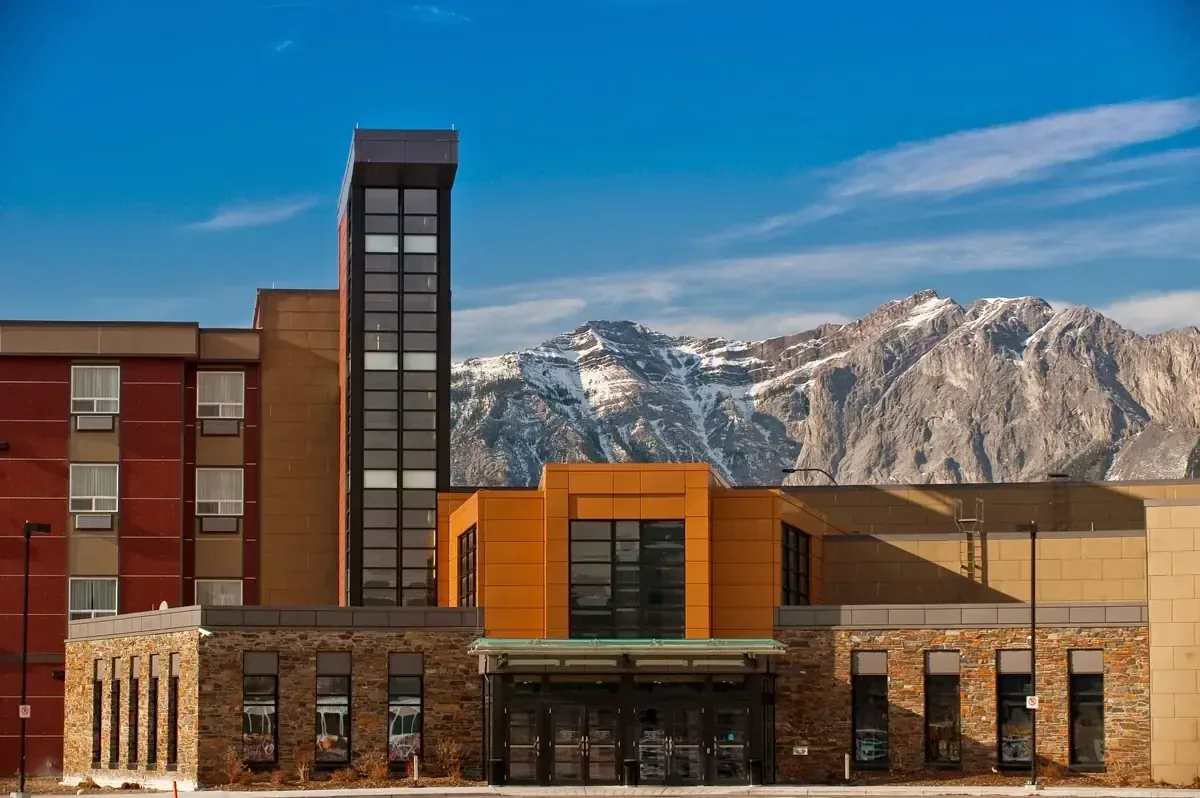
Each property on Super Resort Land is described through the same five lenses: arrival, rooms, dining, public space and surroundings. Arrival covers how the building meets you — approach, threshold and the first interior you step into. Rooms are discussed as places to rest, with attention to light, outlook and quiet, never as an inventory of fixtures we have not verified.
Dining appears when it is part of the property’s public character, not as a review of named kitchens. Public space includes lounges, corridors and shared floors that set the tempo of a visit. Surroundings place the stay in its landscape or neighbourhood so you can judge whether the day outside the building matches what you want.
Keeping the sequence fixed is deliberate. When every entry follows the same path, comparison becomes a reading exercise rather than a contest of adjectives. You can move from a mountain resort to a downtown hotel and still know where to look for the same kind of information.
Why the entries carry no prices, no availability and no star-ranking of our own
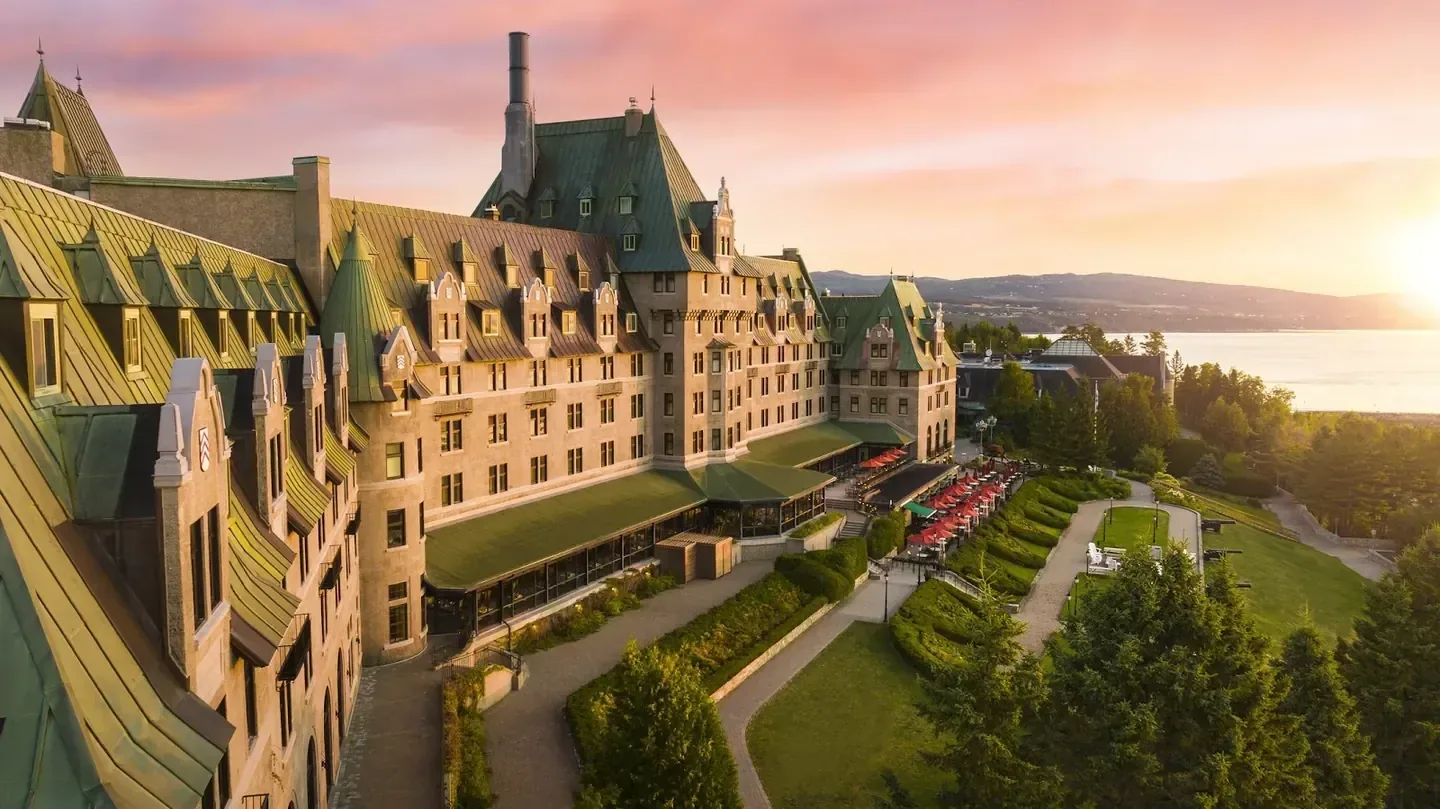
This guide does not publish commercial figures, date-based availability or a house ranking. Those details change, they belong to operators and listing platforms, and printing them here would imply a transactional relationship we do not have. Star classes shown on cards are the property’s stated class from the source data, not a score we assign.
Omitting availability also keeps the page honest. We cannot know whether a room is open on a given night, and pretending otherwise would turn an editorial note into a false search. If you need current inventory, the official listing is the only place that can answer.
We also refuse to invent a Super Resort Land ranking. Ordering properties by preference would turn description into persuasion. Our catalogues are editorial groupings — quieter settings in one place, a broader cross-section in another — not a leaderboard.
Where the photography comes from and what it does and does not show
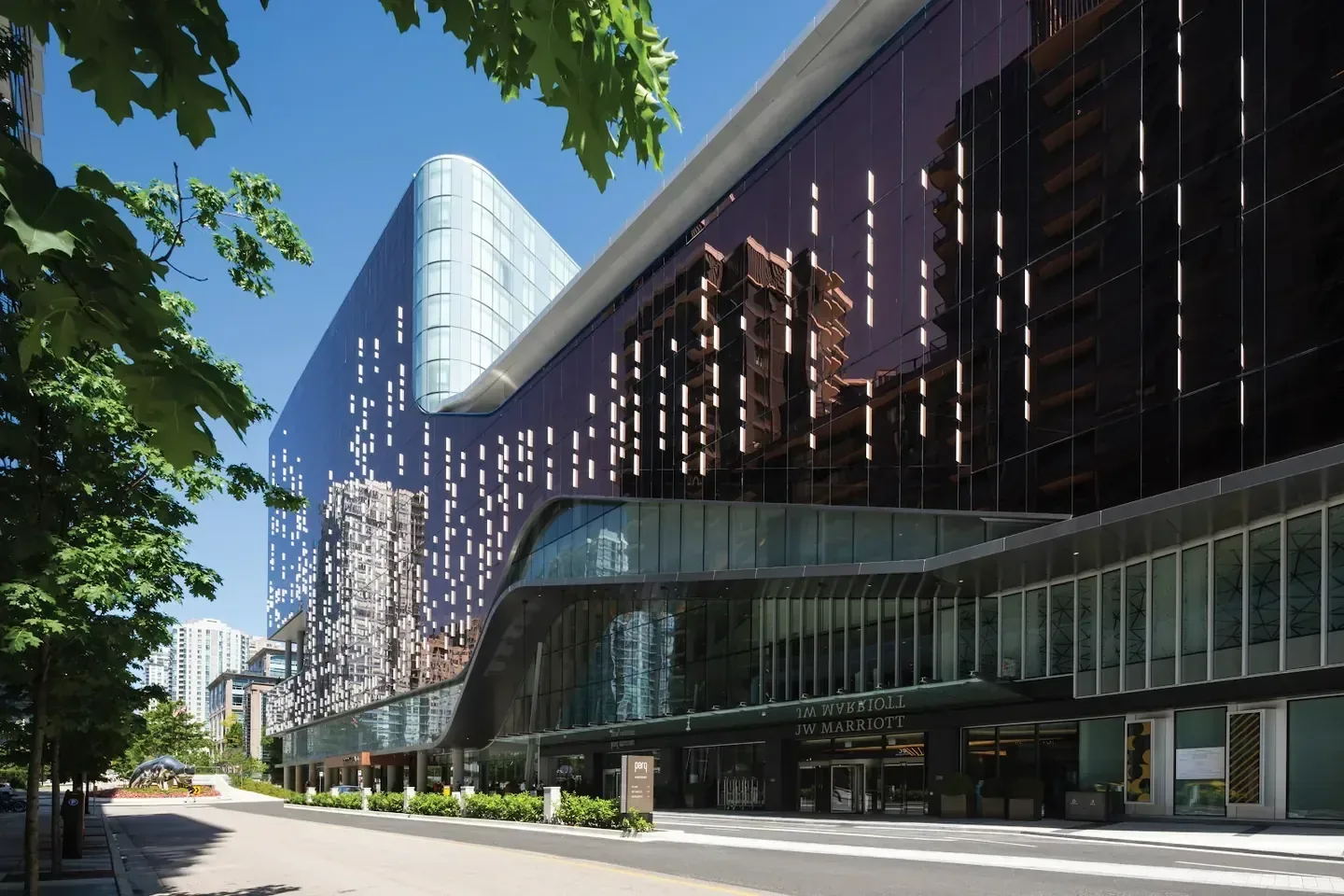
Photographs on this site illustrate atmosphere and building mass. They are tied to specific properties where they appear on cards, and to thematic sections on the homepage where they support mood rather than a single named stay. They are not a substitute for a property tour.
A frame can show sky, façade, water or landscape. It cannot guarantee the condition of a particular room, the layout of a corridor you have not walked, or the state of a facility on the day you arrive. Treat images as context, not as a contract.
We do not add decorative panels, stock stand-ins or invented scenes where a photograph is missing. If a section does not have an assigned image, it is built from type and rules alone. That restraint is part of the method: the page should never look busier than the evidence behind it.
How to use the listing links, and why the official listing page is always the authority
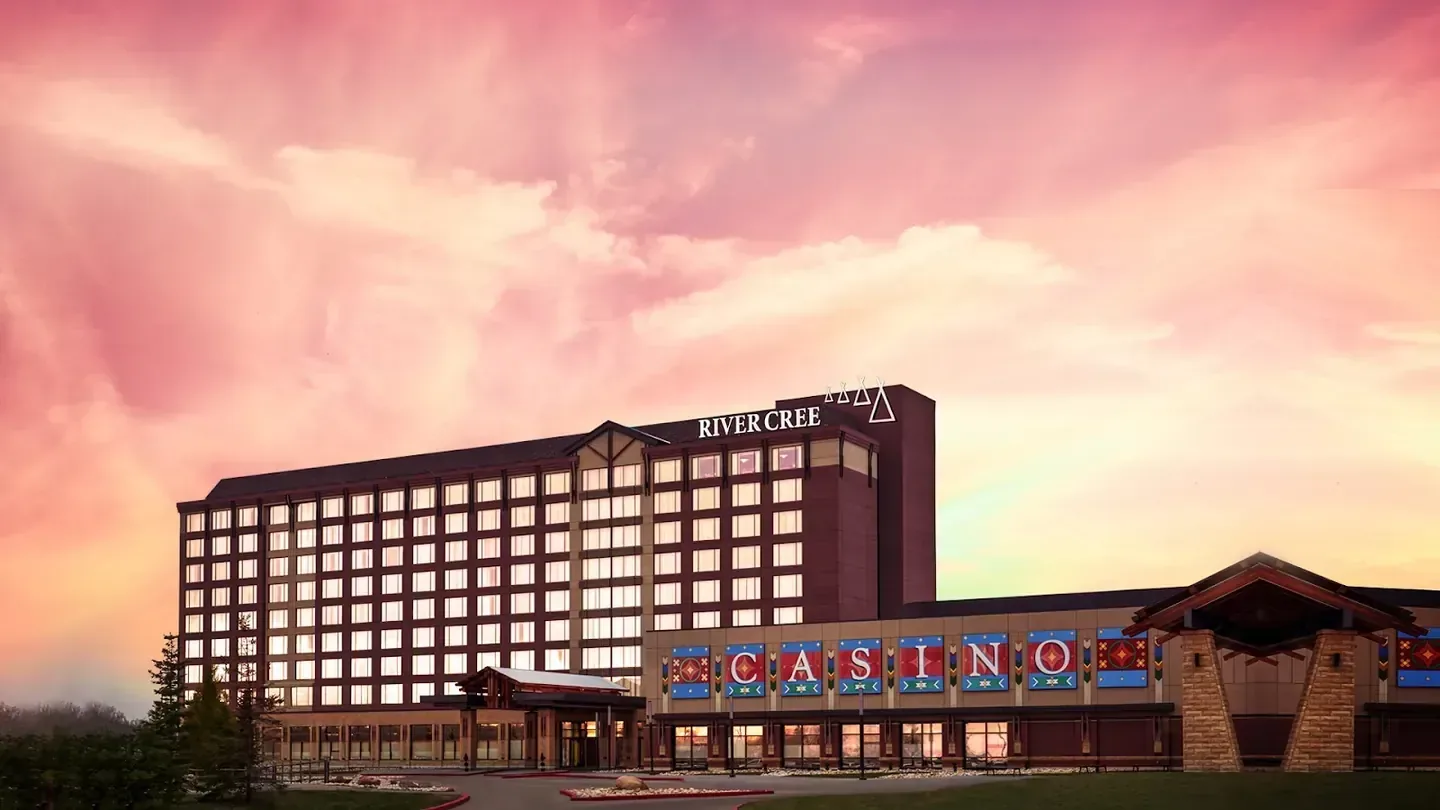
Every venue card ends with a single outbound control labelled “Visit Official Website.” That control opens the listing URL supplied for that property and nowhere else. It is the only kind of link that leaves Super Resort Land.
Use the card to decide whether the setting and character interest you. Use the listing for everything operational: policies, room types, dining detail and current conditions. If the two ever disagree, trust the listing. Our text is a reading aid, not a live inventory.
That hand-off is the point of the guide. We stay independent by refusing to mediate a stay. You leave our pages with a clearer sense of place, and you complete any next step with the party that actually operates the property or hosts its listing.